The Ultimate Guide to Slow Travel in 2025: Why Going Slower Takes You Further
August 3, 2025 - Reading time: 8 minutes
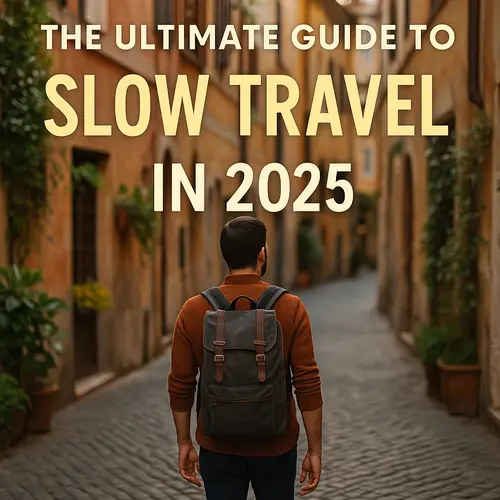
In an age where travel is often reduced to Instagram check-ins, bucket lists, and whirlwind itineraries, a quiet revolution is taking place—one that urges us to slow down, stay longer, and experience more. It's called slow travel. And in 2025, it's more relevant than ever.
What if your most unforgettable travel memories weren't the rush of landmarks but the quiet moments in between—a conversation with a street vendor, a lazy morning in a park, or the familiar path between your guesthouse and the corner café?
In this ultimate guide, we'll explore the philosophy of slow travel, why it's gaining popularity, how it benefits your mind (and the planet), and practical tips for making it work—no matter your budget or schedule.
🚶♂️ What Is Slow Travel?
At its core, slow travel is the intentional choice to travel at a gentler pace, spending more time in fewer places to develop a deeper connection with your destination. It’s about shifting from the checklist mindset—where travel becomes a race to "do it all"—to a more mindful approach that values presence over pace.
Slow travel doesn’t mean walking or taking a year off. It means:
- Choosing train travel over flights when possible
- Spending a week (or more) in one city, instead of jumping across five
- Cooking local ingredients instead of eating out every night
- Creating relationships, not just collecting souvenirs
It’s about shifting focus from sightseeing to experiencing.
🌱 Why 2025 Is the Perfect Time to Slow Down
After years of fast travel trends and post-pandemic revenge tourism, travelers in 2025 are re-evaluating what they want from their adventures. Economic uncertainty, environmental concerns, and digital fatigue are prompting a turn inward. People don’t just want to go—they want to feel.
We’re seeing:
- Workcations turning into slow digital nomad stays
- Micro-sabbaticals replacing two-week rush trips
- A rise in long-stay Airbnb rentals and local homestays
- Digital detox retreats and “silent” travel gaining traction
More than a trend, slow travel reflects a broader cultural reset—a desire for stillness, meaning, and authenticity in a hyperconnected world.
💡 The Benefits of Slow Travel
1. Deeper Cultural Connection
When you stay longer, you start to see rhythms—the morning routines of locals, the closing rituals of shops, the way a plaza fills after sunset. You learn the language—not just spoken, but behavioral. You begin to participate rather than just observe.
2. Reduced Environmental Impact
Fewer flights mean fewer carbon emissions. Longer stays reduce the footprint of accommodation turnover, transport, and food waste. Slow travel naturally aligns with sustainable travel practices.
3. Cost Efficiency
It might seem counterintuitive, but slow travel can be cheaper. Weekly or monthly lodging is often discounted. Cooking meals reduces dining costs. You’re not spending on new transit every 48 hours.
4. Mental and Physical Well-being
Travel burnout is real. When you move constantly, it becomes exhausting. Slow travel lets you integrate rest, routines, and real self-care—without compromising adventure.
📍 Best Destinations for Slow Travel in 2025
🇵🇹 Lisbon, Portugal
Affordable, creative, and coastal—Lisbon offers slow mornings at pastelarias, tram rides through old neighborhoods, and stunning weekend getaways to Sintra or Cascais.
🇲🇽 Oaxaca, Mexico
A blend of indigenous heritage and modern artistic spirit. Here, you’ll find markets that become second homes, mezcal tastings with locals, and festivals that sweep through the city like rituals.
🇹🇭 Chiang Mai, Thailand
The unofficial capital of slow nomads. Chiang Mai’s laid-back pace, low cost of living, and proximity to nature make it ideal for long stays. Cookery classes and meditation retreats abound.
🇮🇹 Bologna, Italy
Less touristy than Rome or Venice, Bologna offers food, history, and academic spirit. Spend your days walking colonnaded streets, sipping espresso, and learning Italian from neighbors.
🇯🇵 Kyoto, Japan
Step into tradition at a gentle pace. Kyoto rewards those who linger—with seasonal temple visits, quiet riverside paths, and centuries-old rituals of simplicity.
🧳 How to Pack for Slow Travel
Your mindset is your most important luggage, but here are a few physical things to bring:
- A compact wardrobe focused on layering and durability
- A reusable tote or grocery bag for daily local shopping
- Offline map apps and a local SIM or eSIM
- Notebook or travel journal for personal reflections
- Small gifts or tokens from home for locals you bond with
Don’t pack for every possibility—pack to adapt.
💬 Making Connections
Join community groups, co-working spaces, or language exchanges. Use Meetup or Couchsurfing events. Say yes to invitations, even if they feel small or spontaneous. The heart of slow travel is people.
📆 Sample Slow Travel Itinerary: 1 Month in Oaxaca
- Week 1: Explore the city—markets, museums, free walking tours
- Week 2: Enroll in a half-day cooking class or Spanish language lesson
- Week 3: Attend a festival or visit nearby villages like Teotitlán del Valle
- Week 4: Stay still. Find your rhythm. Return to favorite places. Journal. Breathe.
Notice how the trip isn't about “doing it all.” It's about becoming part of it.
🎯 Is Slow Travel for You?
If you're craving:
- Less stress and more purpose
- Experiences over itineraries
- Relationships instead of reviews
—then slow travel isn’t just a style; it’s a shift. One that will not only change how you travel, but how you live.
📌 Final Thoughts
Slow travel is not about seeing fewer places. It’s about seeing more in the places you choose. It invites you to pay attention, stay curious, and embrace the unfamiliar as if it were home.
In 2025, as we navigate an overstimulated, fast-scrolling world, this way of travel offers something radical: presence. When you go slow, the world opens wider.
So next time you're planning a trip, ask not “How many cities can I fit in?” but “Where do I want to be for a while?” The answer might just change your life.
