🌬️ the Science of Breathing: Calm Your Mind & Energize Your Life with Every Breath
July 31, 2025 Reading time: 4 minutes
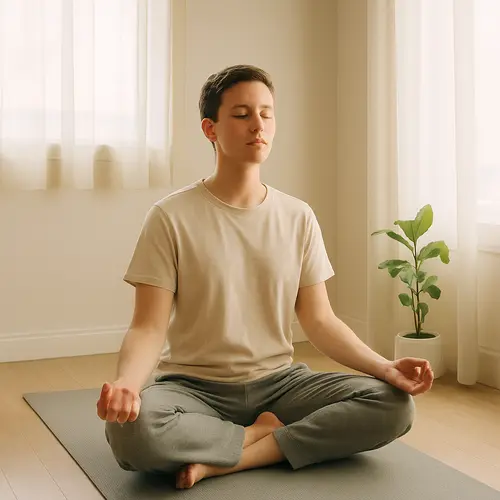
💨✨ Did you know the most powerful tool for calming your mind, reducing stress, and boosting your mood is with you right now—your breath? We take over 20,000 breaths each day, but most of us rarely notice them. Science is revealing that the way we breathe can reshape our nervous system, transform anxiety, and even boost focus and energy.
This post dives into the fascinating science of breathwork, explores simple techniques you can try right away, and shows how a few mindful breaths each day can change your life from the inside out.
🌀 the Anxiety Toolkit: Mindful Strategies for Calmer Days & Better Focus
July 27, 2025 Reading time: 5 minutes

😰🌱 Do you ever feel your mind spinning with worry, your heart racing over “what ifs,” or your thoughts getting stuck in endless loops? Anxiety is one of the most common challenges of modern life. It can sap your energy, cloud your focus, and make everyday tasks feel overwhelming. But anxiety doesn’t have to be your enemy.
With the right tools and a gentle mindset, you can learn to work with anxiety—interrupt spirals, ground yourself, and even transform nervous energy into clarity and resilience. Here’s your practical, science-backed toolkit for calmer days and better focus.
🧘♂️ the Dopamine Detox Blueprint: Reset Your Brain for Focus, Calm, and Real Productivity
July 27, 2025 Reading time: 7 minutes
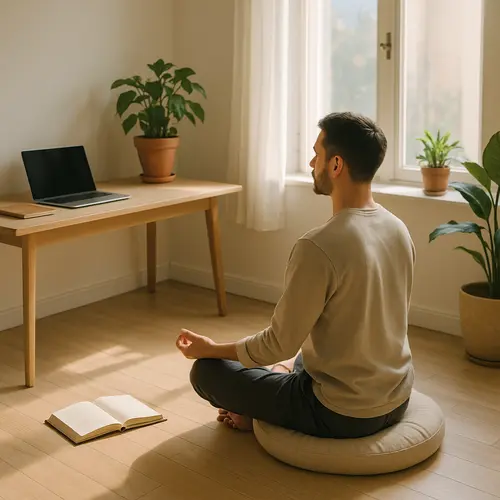
📱🔁 Does your day start and end with a glowing screen? You’re not alone. In today’s world, it sometimes feels impossible to escape the constant stream of notifications, updates, and digital temptations. But what if pressing “pause” could unlock a calmer mind, sharper focus, and a more meaningful sense of accomplishment?
Welcome to the dopamine detox—a modern ritual designed to help you reclaim control over your attention and bring intention back to your daily habits. This guide will show you how to hit the reset button on overstimulation, using mindful, realistic steps rooted in neuroscience and self-compassion.
⏳ Time Anxiety – The Invisible Force Behind Procrastination
July 18, 2025 Reading time: 6 minutes
"It’s not time that we lack, but the clarity and peace to use it well." — Anonymous
We live in an age obsessed with productivity. Timers tick down on phones, apps measure focus, and self-help literature urges us to optimize every waking second. And yet, millions struggle to simply begin tasks — frozen in loops of avoidance, guilt, and paralysis.
This isn’t laziness. It's often something deeper — something called time anxiety.
