🌧️ the Power of Rest: How to Beat Burnout & Restore True Energy
July 27, 2025 Reading time: 5 minutes
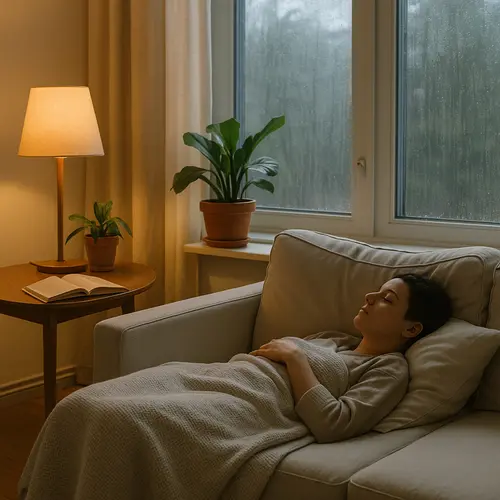
😩💤 Do you ever feel tired no matter how much you sleep, or find yourself dragging through the day on autopilot? In our culture of constant hustle, rest is often seen as a luxury, or worse, a sign of weakness. But the truth is, rest is not optional—it’s a core ingredient for health, clarity, and sustainable achievement.
Burnout is real. It can sneak up slowly—first as simple fatigue, then as irritability, brain fog, and a fading sense of joy in things you once loved. The good news? With the right approach, you can reverse burnout, reset your energy, and rediscover a deep well of creative power. Here’s how.
🛌 Why Rest Isn’t Laziness – The Science of Intentional Recovery
July 18, 2025 Reading time: 6 minutes
“Rest is not idleness, and to lie sometimes on the grass under trees... is by no means a waste of time.” — John Lubbock
In a hustle-obsessed world where time is money and output is worshipped, rest is often mislabeled as weakness. We're conditioned to feel guilty when not producing. But rest isn’t the absence of work — it’s an active part of high-functioning mental cycles. Without it, we burn out, lose focus, and start making poorer decisions. Yet most people still associate rest with laziness or a lack of ambition.
🛌 Why Rest Isn’t Laziness — Reclaiming Recovery in a Hustle Culture
July 18, 2025 Reading time: 6 minutes
"Almost everything will work again if you unplug it for a few minutes... including you." — Anne Lamott
In today’s performance-driven world, rest is often seen as indulgent or unproductive. You might feel guilty for taking a nap, declining a meeting, or logging off early — even when your body and mind are screaming for a break.
This mindset isn’t accidental. It’s the byproduct of hustle culture — the idea that constant effort is the only path to success. But science tells us otherwise: rest is not the enemy of productivity. It is the foundation of sustainable performance.
💤 The Sleep Deception: Why You Feel Tired Even After 8 Hours
July 18, 2025 Reading time: 6 minutes
"You can’t heal in the same environment that made you sick."
Every night, you get a full night’s sleep. Eight hours, sometimes more. But by mid-morning, your brain is foggy. By afternoon, you're dragging. You’re not lazy. You're not weak. You're just sleeping wrong—or more accurately, you're missing the other layers of real rest.
Welcome to the sleep deception, where quantity masks a deeper lack of recovery.
Why You Burn Out Without Even Realizing It — And How to Reverse It
July 17, 2025 Reading time: 3 minutes
“Burnout doesn’t always scream — sometimes it just quietly erodes your spark.”
Most people think burnout is dramatic: mental breakdowns, snapping at coworkers, quitting everything. But real burnout is subtle. It’s not when you collapse — it’s when you no longer care that you’re dragging yourself through the day.
